How Often Should Offices in Rochester, MN Be Professionally Cleaned?
Every office has different cleaning needs. A small workplace with a few employees may not require the same schedule as a busy office with frequent visitors, shared meeting rooms, and heavily used restrooms. For businesses in Rochester, Minnesota, the right cleaning frequency depends on daily foot traffic, the type of work performed, and how quickly dirt and clutter accumulate. A consistent cleaning schedule helps businesses maintain a professional environment while keeping routine maintenance manageable throughout the year.
Why Office Cleaning Frequency Matters
Office cleaning is not simply about making a workplace look neat before clients arrive. Regular maintenance helps control everyday dirt, keeps shared areas usable, and prevents neglected spaces from requiring more intensive cleaning later.
When cleaning is too infrequent, dust, waste, fingerprints, and debris can build up. Restrooms may run low on supplies, break rooms can become untidy, and floors may show visible dirt before the next scheduled visit. On the other hand, not every office needs every cleaning task performed daily.
The goal is to establish a schedule that reflects how the office is used. Some tasks may need attention every day, while others can be handled weekly, monthly, or as needed.
Daily Office Cleaning: Best for Busy Workplaces
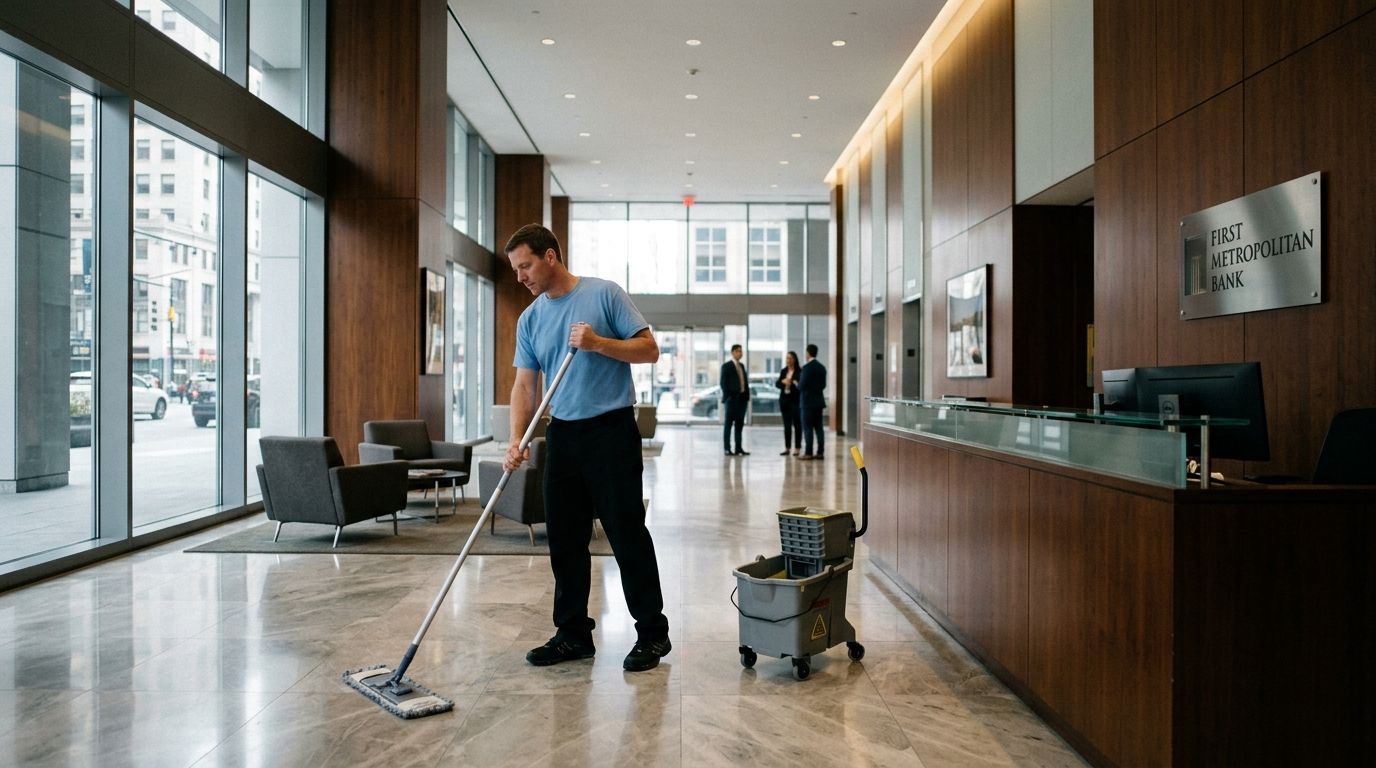
Daily professional cleaning is often suitable for offices with high employee attendance, frequent visitors, or several shared facilities. Customer-facing businesses and larger workplaces may benefit from regular service because their spaces can become untidy quickly.
Daily cleaning tasks may include:
- Emptying trash and recycling containers
- Cleaning and checking restrooms
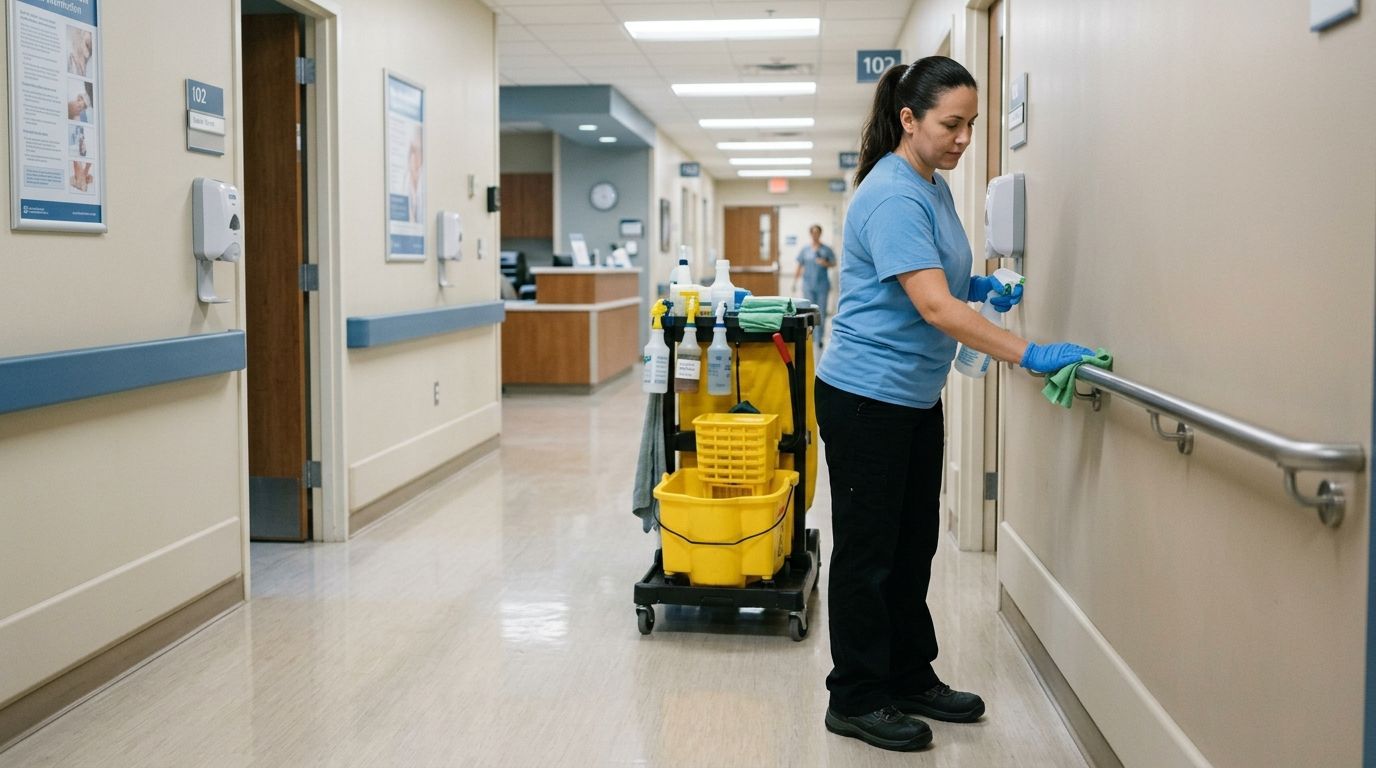
- Wiping shared tables and frequently touched surfaces
- Maintaining break rooms and kitchen areas
- Vacuuming or sweeping high-traffic floors
- Spot-cleaning visible spills and dirt
- Tidying reception areas and entrances
Not every task needs the same level of attention each day. For example, an office may need daily restroom and trash maintenance but only occasional detailed cleaning of certain furniture or storage areas.
For Rochester businesses that welcome clients throughout the day, daily cleaning can help keep reception areas, conference rooms, and shared spaces ready for use.
Three Times a Week: A Practical Option for Moderate Traffic
Offices with steady activity but less foot traffic than large corporate facilities may find that professional cleaning three times per week provides a useful balance.
This schedule can work for workplaces where employees regularly use shared areas but where dirt and waste do not accumulate as quickly as they would in a busy public-facing facility.
A three-times-weekly plan might include trash removal, restroom maintenance, floor cleaning, break room upkeep, and cleaning of shared surfaces on each visit. Other tasks can be scheduled according to need.
Businesses should monitor how the office looks between visits. If restrooms become difficult to maintain, bins fill quickly, or floors show significant dirt before the next cleaning appointment, increasing the frequency may be worthwhile.
Weekly Office Cleaning: Suitable for Smaller Offices
Weekly professional cleaning may be appropriate for smaller offices with limited daily occupancy, minimal visitor traffic, and employees who keep their work areas organized.
A weekly visit can cover routine maintenance such as vacuuming, mopping, dusting accessible surfaces, cleaning restrooms, emptying trash, and maintaining common areas. The precise task list should reflect the facility's needs.
However, weekly service does not mean the office should go an entire week without attention to everyday messes. Employees may still need to dispose of food waste properly, clean up spills promptly, and keep shared areas orderly between visits.
Restrooms, kitchens, and other frequently used spaces may require more frequent attention even when the rest of the office is cleaned weekly.
Biweekly Cleaning: When Can It Work?
Professional cleaning every two weeks may be suitable for certain low-occupancy offices or spaces that are used infrequently. It is generally less practical for busy workplaces with heavily used restrooms, shared kitchens, or regular client visits.
With a biweekly schedule, dust, fingerprints, trash, and floor debris may accumulate between visits. Businesses need a reliable plan for handling routine upkeep during the days when professional cleaners are not scheduled.
Before choosing this frequency, consider how many people use the office, whether employees share workspaces, and how quickly restrooms and common areas become dirty. If the facility looks untidy well before the next visit, more frequent service may be necessary.
Monthly Deep Cleaning and Periodic Maintenance
Some cleaning tasks do not need to be completed at every visit. Monthly or periodic maintenance can supplement a daily, weekly, or biweekly cleaning routine.
Depending on the office and the agreed service, periodic tasks may include:
- Detailed cleaning of baseboards and accessible edges
- Cleaning accumulated grime in selected areas
- More intensive carpet or upholstery cleaning
- Detailed attention to corners and less-used spaces
- Cleaning interior glass and partitions
- Additional floor care suited to the flooring material
Monthly deep cleaning should not replace routine maintenance. Instead, it addresses tasks that can be scheduled less frequently while everyday cleaning keeps the office in reasonable condition.
The appropriate interval depends on the facility. An office with carpeted hallways and heavy foot traffic may need carpet maintenance more often than a small office with limited use.
Factors That Affect Office Cleaning Frequency in Rochester
There is no single schedule that works for every business. Rochester office managers should consider several practical factors when deciding how often to schedule professional cleaning.
Employee and Visitor Traffic
The more people who use an office, the more quickly floors, restrooms, and shared surfaces tend to accumulate dirt. A workplace with frequent appointments or customer visits may need more regular cleaning than an office used by a small team.
Restroom and Break Room Usage
Shared facilities often require more frequent attention than individual offices. Food preparation, spills, waste, and repeated restroom use can make these areas difficult to maintain with infrequent service.
Flooring and Building Entrances
Carpet can collect soil and debris, while hard floors may show footprints, salt residue, and moisture. Entrance areas usually need particular attention because outdoor dirt enters the building through foot traffic.
Type of Business
An administrative office, a customer-facing service office, and a facility with specialized operational requirements may have different cleaning priorities. Businesses should consider their actual activities and any applicable industry or facility standards when setting a schedule.
Seasonal Conditions
Rochester experiences seasonal weather changes that can affect indoor cleaning needs. During winter, snow, slush, moisture, and road salt can be tracked into buildings. Entrance mats, lobby floors, and high-traffic corridors may need more frequent maintenance during these periods.
In spring, businesses may also need to address dirt and debris that accumulated during winter. Adjusting the cleaning plan to match conditions can be more effective than following an unchanged schedule all year.
Signs Your Office Needs More Frequent Cleaning
Even if a cleaning schedule worked well in the past, changes in occupancy or business activity can make it less effective. Watch for signs that the current frequency may need adjustment.
These include floors that appear dirty soon after cleaning, trash containers that regularly overflow, restrooms that need attention before the next visit, persistent messes in break rooms, and dust or grime accumulating on commonly used surfaces.
Employee feedback can also help identify areas that are being overlooked. If the same problems repeatedly appear between scheduled visits, consider increasing service frequency or revising the tasks included in the cleaning agreement.
Sometimes the solution is not more visits but a better distribution of tasks. For example, daily restroom maintenance combined with less frequent detailed cleaning of low-use areas may better suit the building than applying the same schedule to every room.
How to Build a Practical Office Cleaning Schedule
Start by listing the areas in your Rochester office and identifying how often each one is used. Separate tasks that need regular attention from those that can be completed periodically.
A basic schedule might look like this:
- Daily or as needed: Trash removal, restroom checks, spill cleanup, and maintenance of heavily used shared spaces.
- Several times per week: Vacuuming, mopping, dusting, and cleaning common areas based on traffic.
- Weekly: More complete attention to workspaces, meeting rooms, floors, and other routine cleaning tasks.
- Monthly or periodically: Deep cleaning, detailed floor care, and other tasks that do not need to be performed at every visit.
This is a starting point rather than a fixed rule. The actual schedule should reflect your building's condition, the services included, and the needs of employees and visitors.
When discussing a plan with a cleaning company, ask for a written task list and service frequency. Make sure the agreement explains which areas are included, whether cleaning supplies are provided, and how additional tasks are handled.
Keep Your Rochester Office Clean Throughout the Year
The right office cleaning schedule depends on how your workplace operates. Busy offices may need daily service, moderate-traffic workplaces may benefit from cleaning several times a week, and smaller offices may be maintained with weekly visits and periodic deep cleaning. Restrooms, break rooms, and entrances may need more frequent attention than other areas.
Rochester Commercial Cleaning can help local businesses determine which office cleaning services fit their facility, foot traffic, and operating schedule. With a practical plan and consistent maintenance, businesses can keep their workspaces presentable and respond to seasonal cleaning challenges without paying for a schedule that does not match their needs.
You might also like